Tree Pruning Services
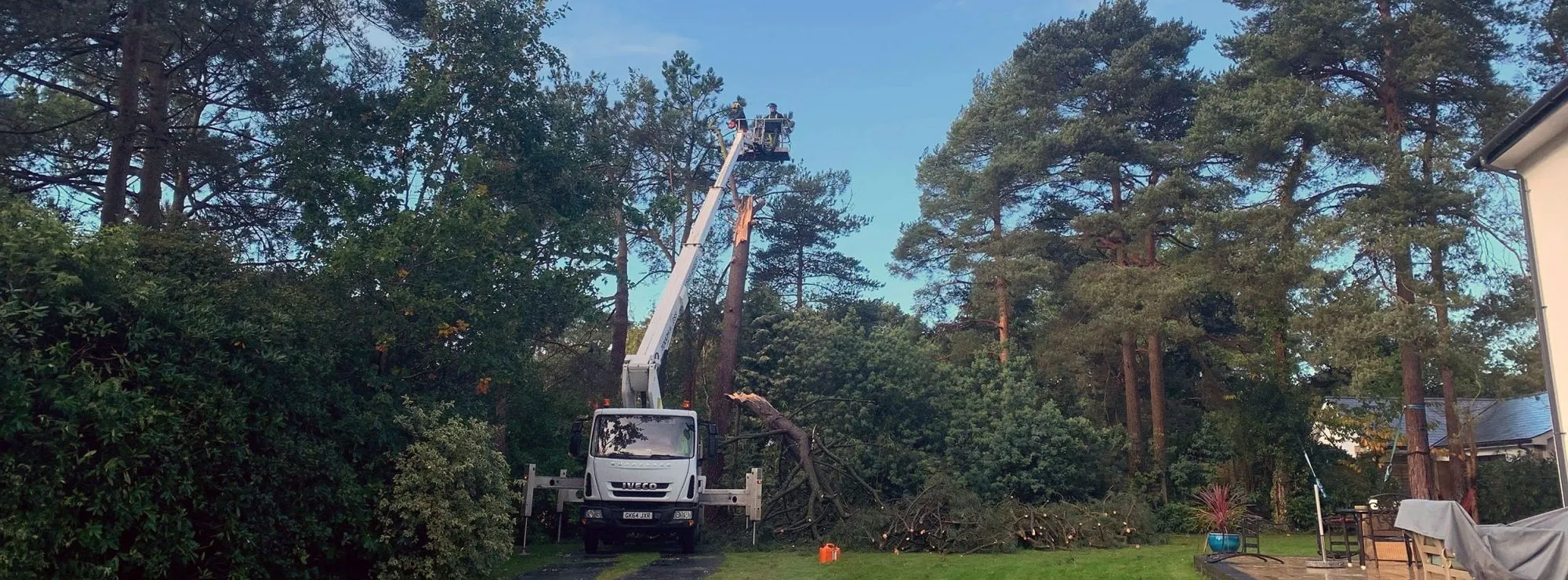
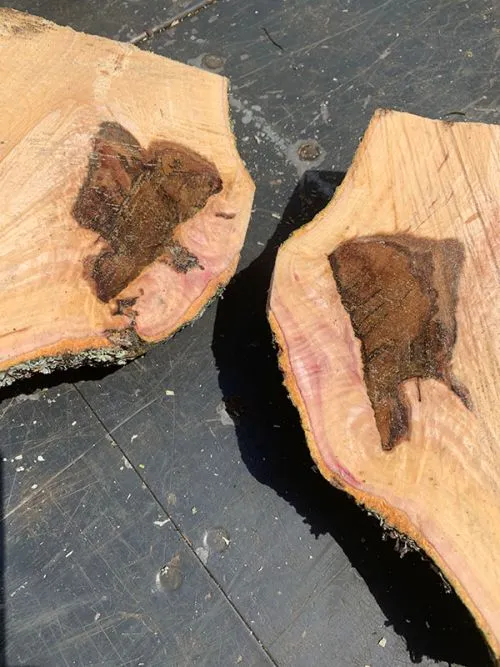
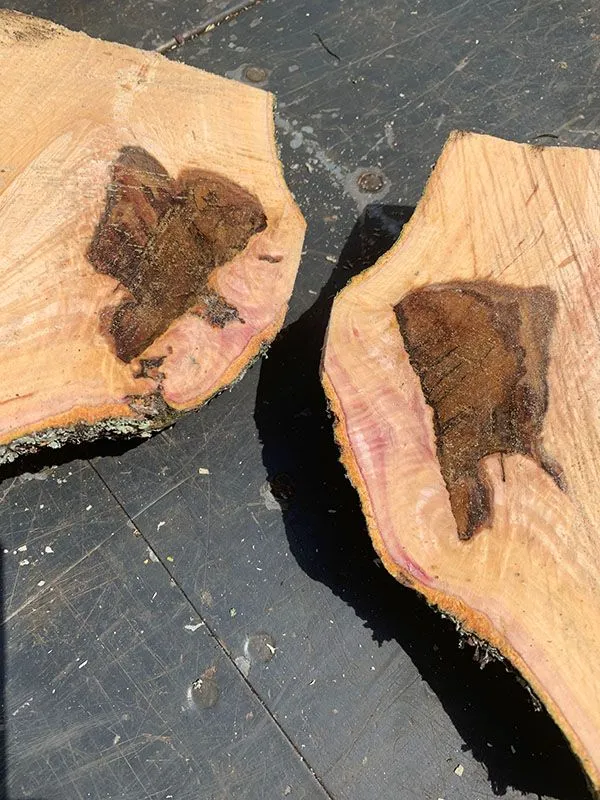 Pruning is a vital technique in arboriculture for maintaining tree health, aesthetics, and safety. When a tree is pruned, it responds to the wound with a process known as compartmentalisation, which is the tree's natural defence mechanism against decay spreading from the damaged area.
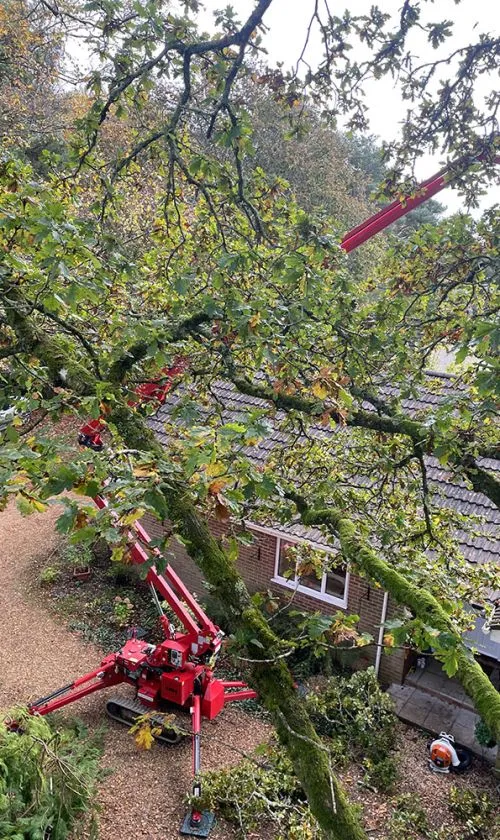
There are many reasons why trees might need pruning. These reasons could include:
- Improving the structure of the tree
- The removal of dangerous or defective branches.
- Reduction of shading
- Reduction of wind loading
- Provide clearance between the tree and a structure, road or pathway.
- Care must always be taken when pruning, as removing too big a branch can lead to disease entering the tree via the wound/s left behind, or reduce the vitality of tree due to the excessive volume of leaf bearing material being removed. Safety is of prime importance when working with trees, so before beginning tree pruning make an honest appraisal of your capabilities.
Ensure your tree continues to thrive and grow by contacting us today for expert, skilled Tree Pruning.
Young Trees: Formative pruning
While many trees will naturally form their adult shape as they grow, others need a little assistance to create a clear trunk and a well-spaced canopy of branches. It is wise to keep an eye on young trees and carry out formative pruning as required.
Quick facts
- Suitable for: Young trees, from one year old
- Timing: Variable, but often in winter for deciduous trees and spring for evergreens
- Depending on Species, ideally, formative pruning should be continued, annually, up to Five Years.
When to prune trees
Deciduous trees
Deciduous trees (ones that lose their leaves in winter) are usually pruned in autumn and winter. In some cases, for example with magnolias and walnuts, pruning is best done in late summer, as healing is quicker.
Trees such as Prunus sp, which are prone to silver leaf disease are best pruned from April to July when the disease spores are not on the wind, and the tree sap is rising rather than falling (which pushes out infection rather than drawing it in).
Some trees can bleed sap if pruned in late winter and early spring. Although seldom fatal, this is unsightly and can weaken the tree. Birches and walnuts often bleed if pruned at the wrong time. Summer pruning can be useful to check over-vigorous growth, for example in suckering species of Populus, or restricted forms of fruit such as espalier apples. This pruning is generally light, and is carried out late enough not to promote new growth. Similarly, healthy trees will generally tolerate minor pruning in the summer months, for example, corrective pruning to raise hanging branches, or removing weak growth, which can be easier to assess in full leaf.
Evergreen trees
Evergreens seldom need pruning, although dead and diseased branches can be removed in late summer.